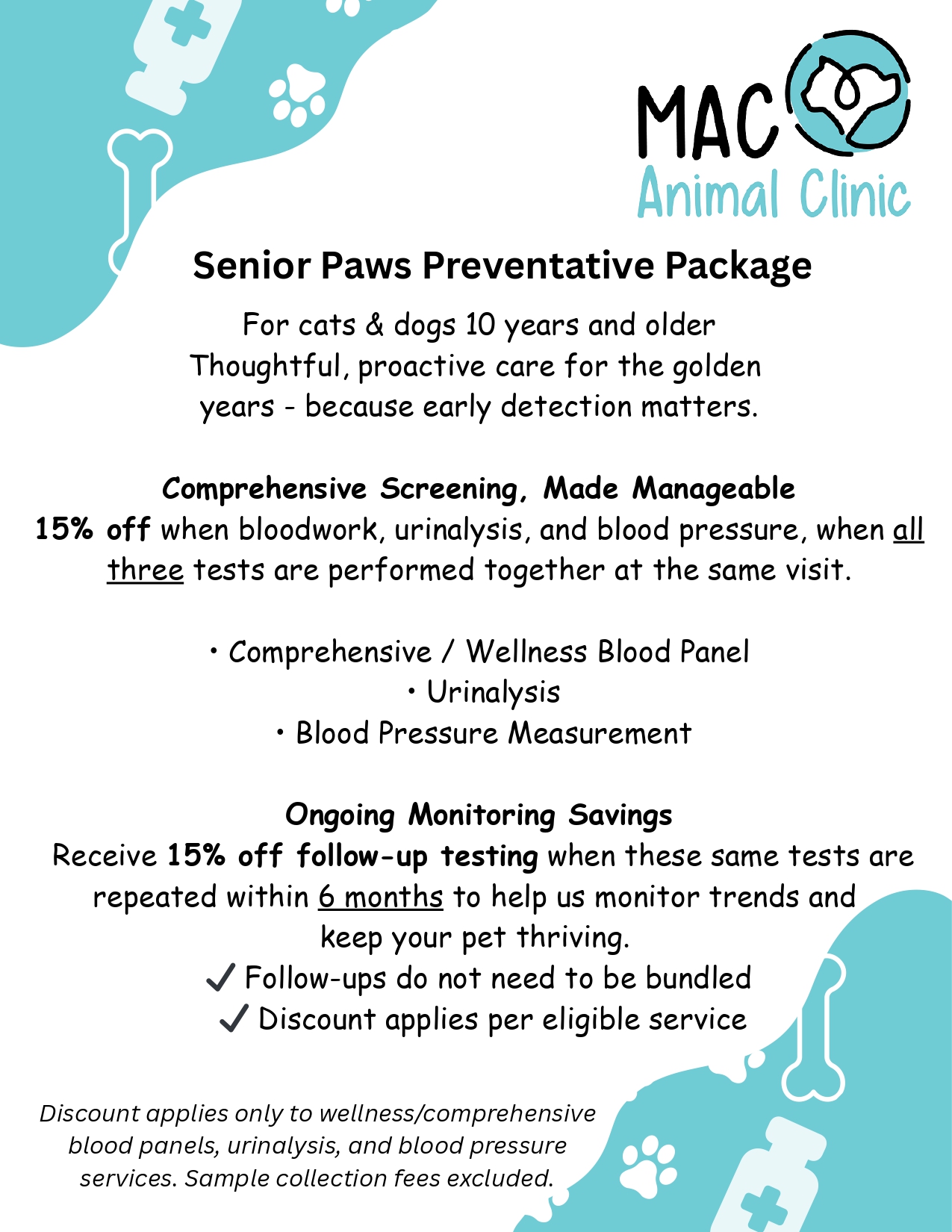
Have you noticed any of these changes in your older dog?
- Is there a little more time needed to get up in the morning?
- Have the stairs become something to negotiate rather than bound up?
- Is there a new hesitation before jumping onto the couch, or a cloudiness in those familiar eyes?
These shifts can sneak up on you, and they often bring complicated feelings. You want to support your senior who’s been your companion through so much, but you’re not always sure how to help support them through their golden years.
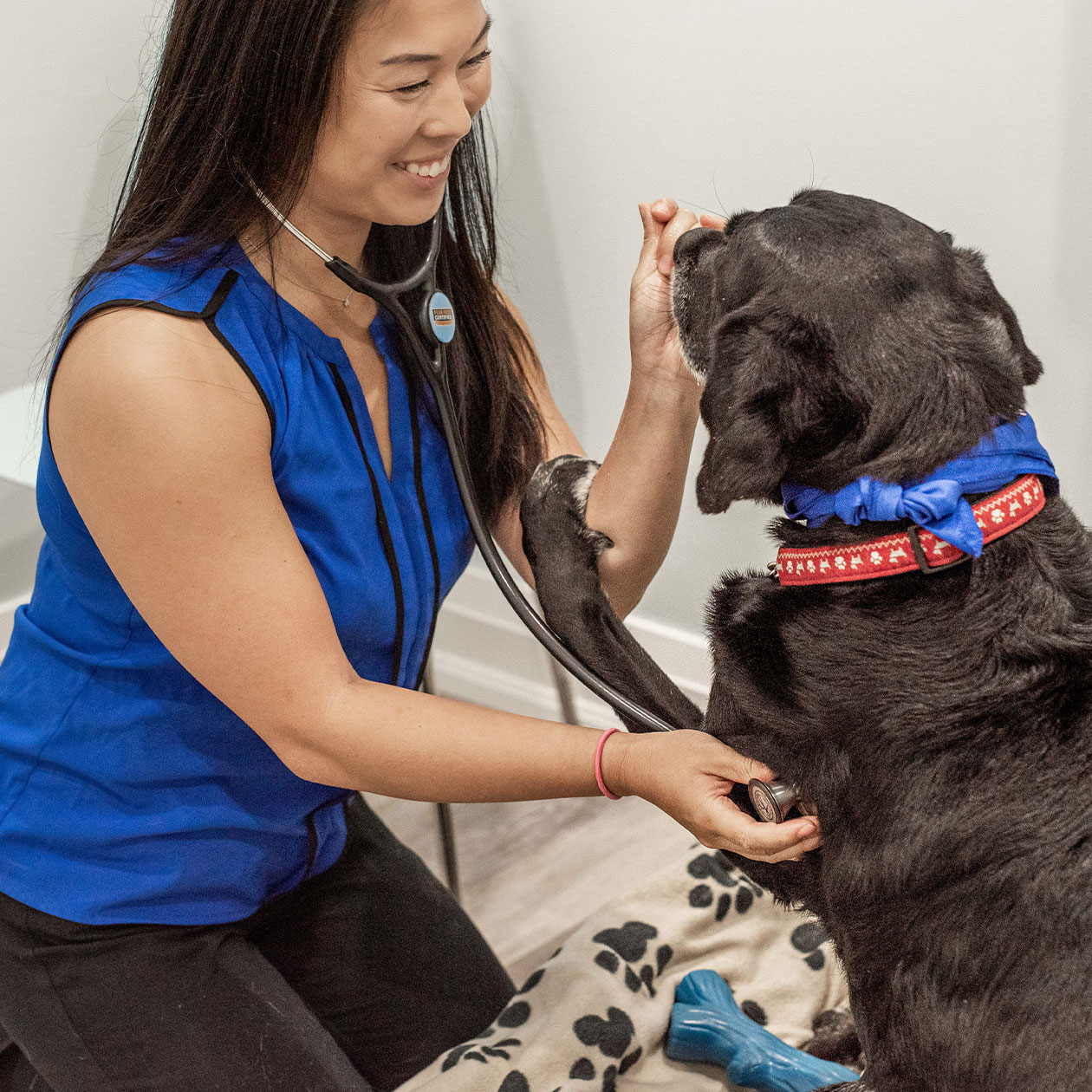
Dr. Mac understands. As a Senior Dog Certified veterinarian in Oakville, she’s completed advanced training through the Senior Dog Veterinary Society, a program dedicated entirely to studying aging dogs. Unlike general continuing education (CE) required of all veterinarians, this program is dedicated entirely to the science of how dogs age and how to support them through every part of that journey.
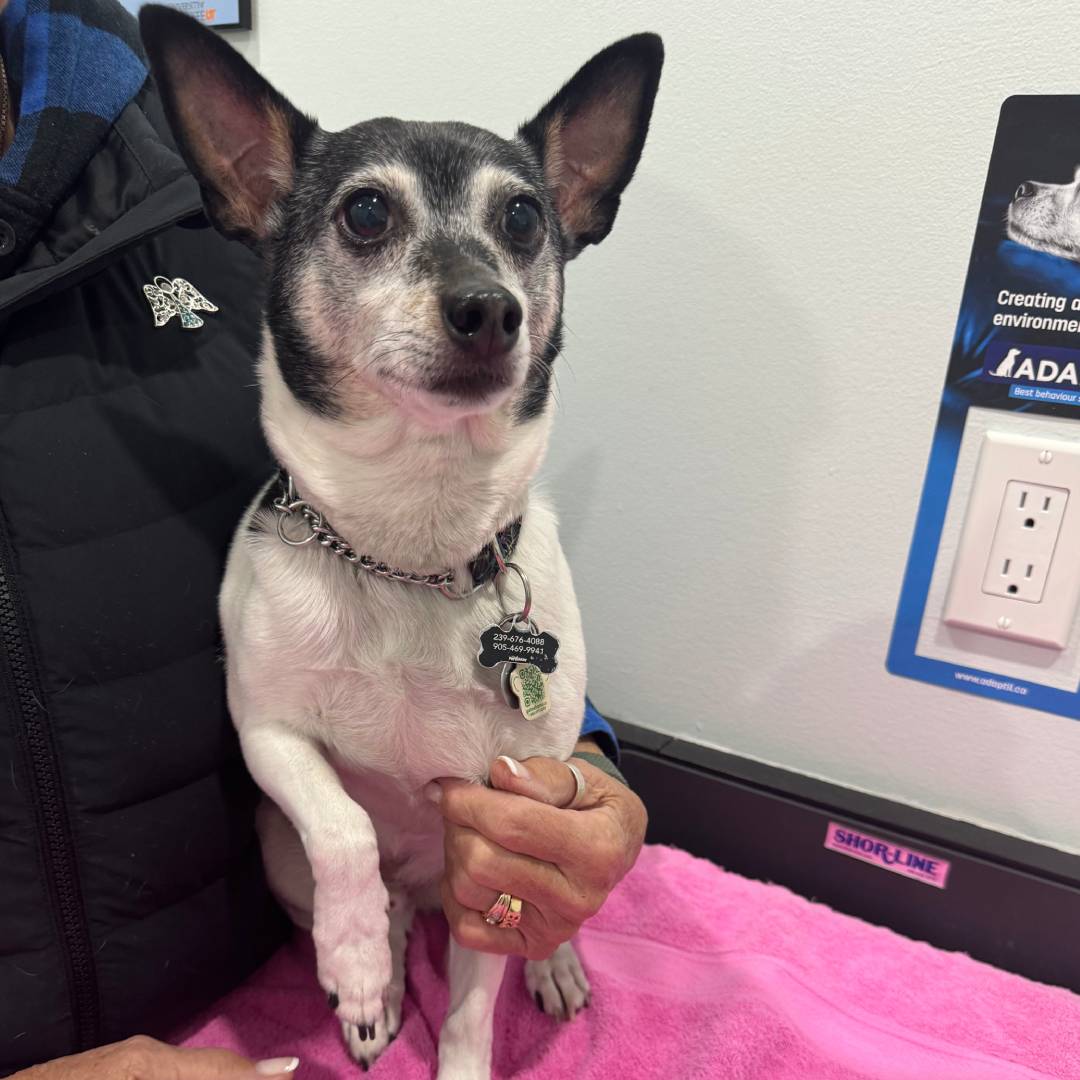
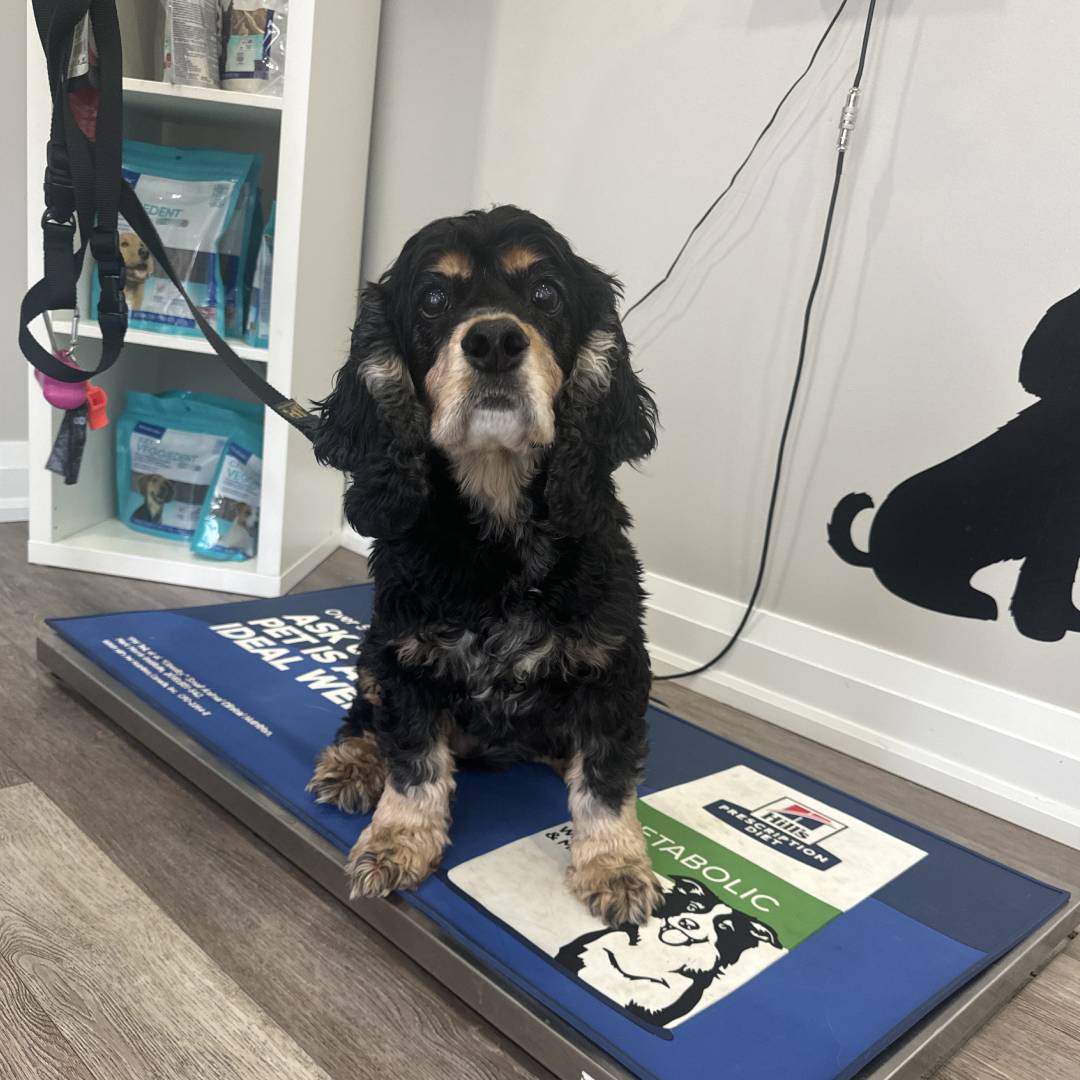
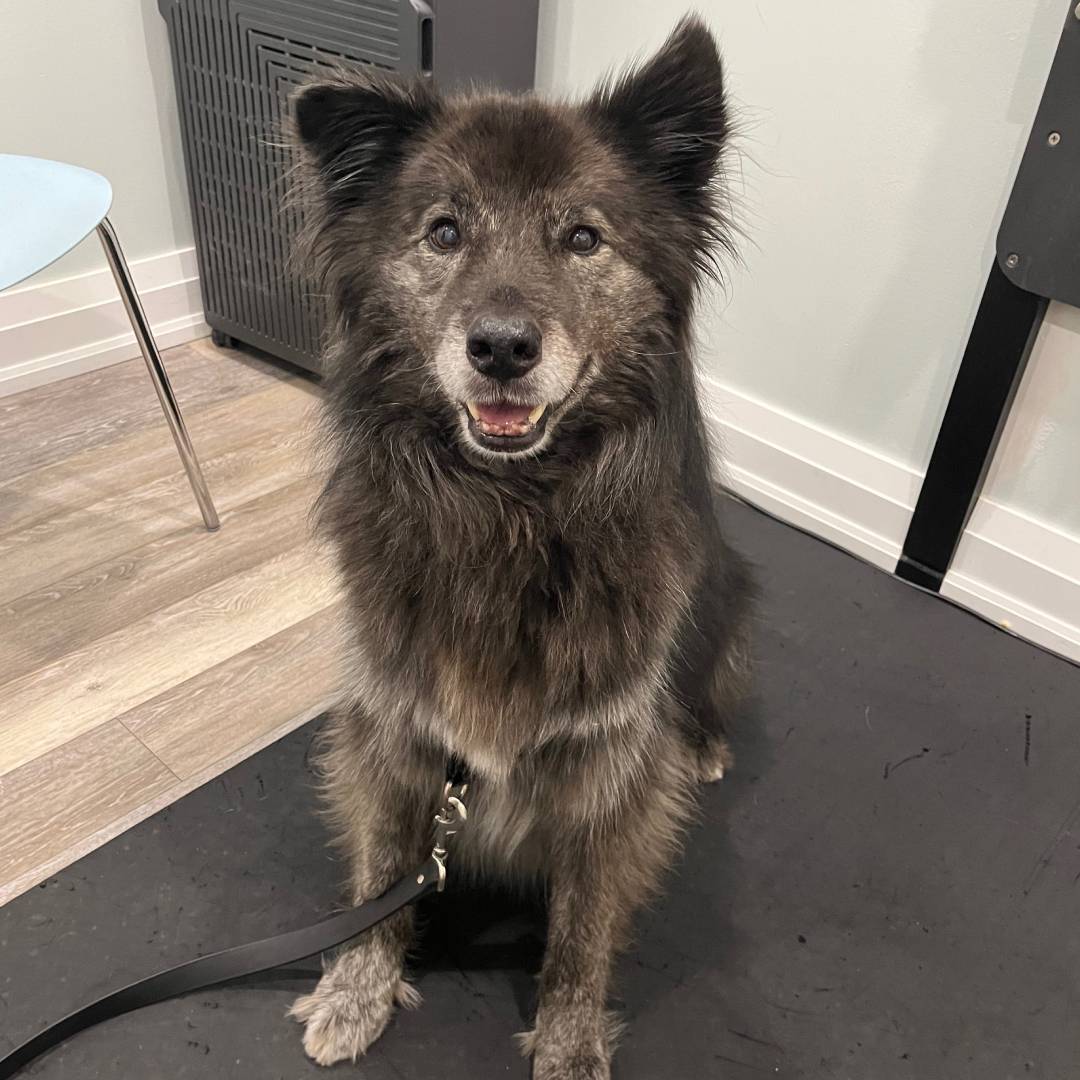
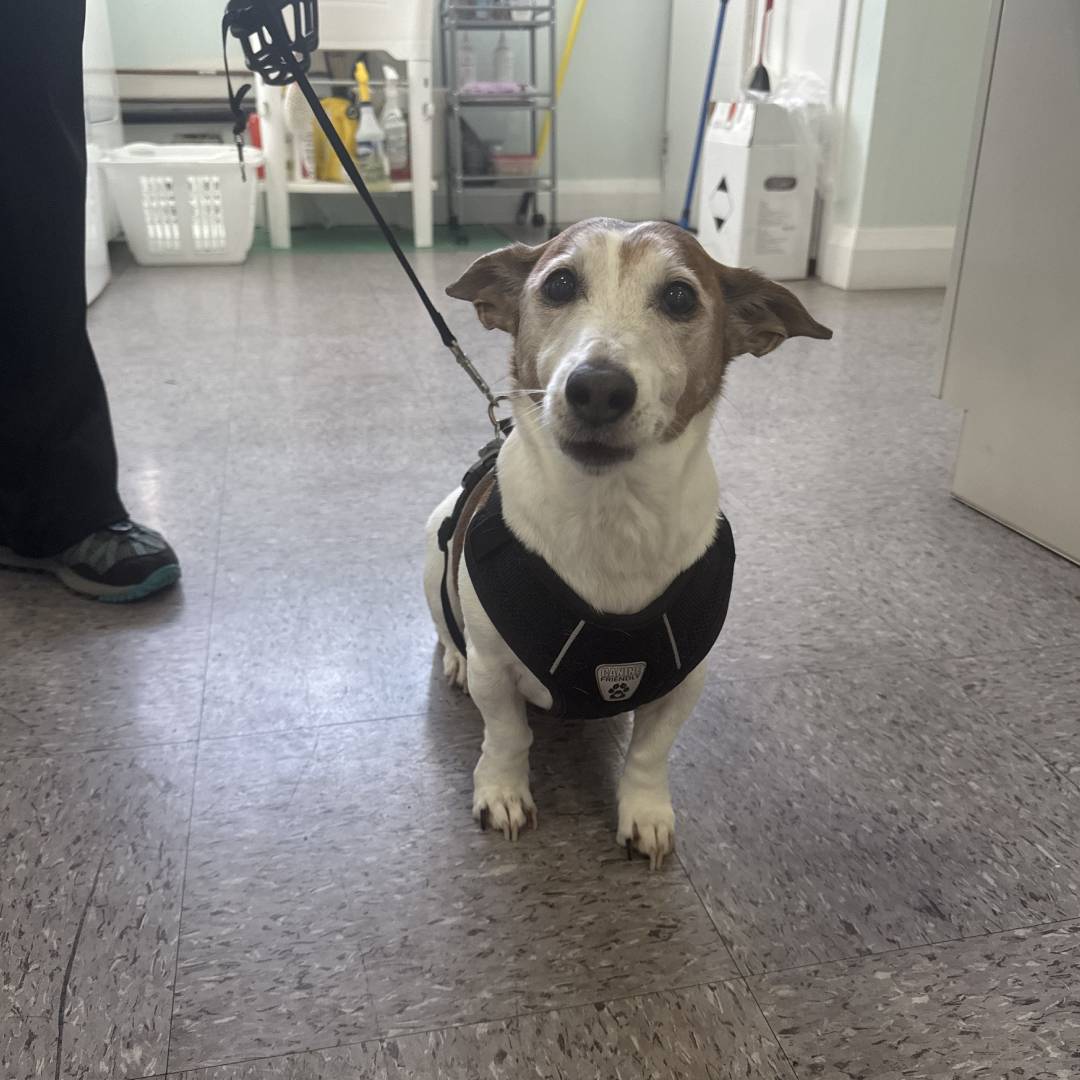
It’s also personal because all four of Dr. Mac’s own dogs (Monkey, Maple, Loki, and Millie) are now in their senior years. She’s navigating this chapter right alongside you.
What Does It Mean to Be a Senior Dog Certified Veterinarian?
The Senior Dog Veterinary Society is an organization dedicated to advancing veterinary care for aging and geriatric dogs. Their certification program provides veterinarians with specialized CE focused entirely on the unique needs of older canine patients.
The truth is that senior dogs aren’t just older adults. Their bodies process medications differently. Their nutritional needs shift. They may experience cognitive changes that look like behavior problems but have treatable underlying causes. They often have multiple health conditions happening at once, which means appointments require a different kind of attention.
Dr. Mac’s certification covers the areas that matter most for aging dogs:
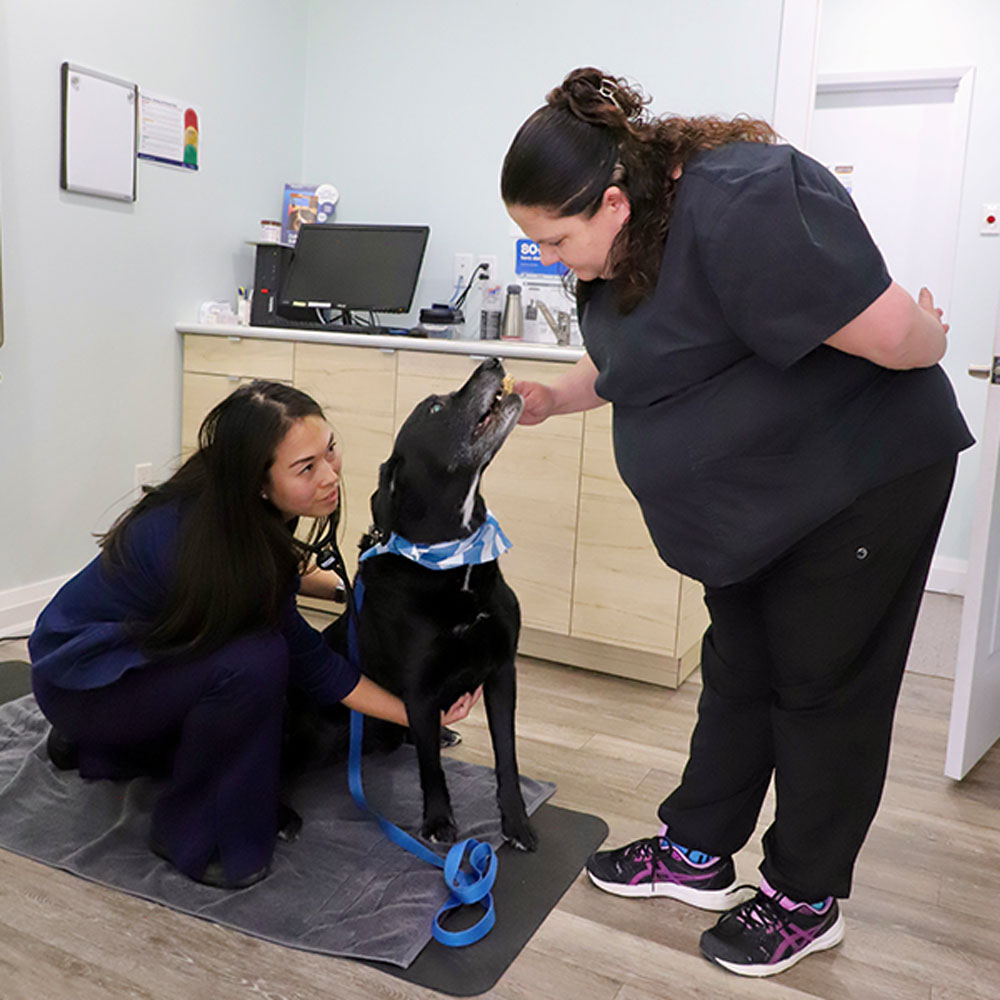
This training shapes how Dr. Mac approaches every senior dog appointment at our Oakville clinic: from the questions she asks, to the diagnostics she recommends, to the way she talks with you about what comes next.


When Is a Dog Considered a Senior?
There’s no single birthday that makes a dog a senior; it depends largely on size and breed. Larger breeds like Great Danes and German Shepherds may enter their senior years around age 6 or 7, while smaller dogs like Yorkies and Chihuahuas might not show significant age-related changes until 10 or older.
What matters more than their age is what you’re observing: changes in mobility, energy levels, sleep patterns, appetite, or behavior. If you’re noticing anything unusual (or if you just want to get ahead of them) a senior wellness exam can help establish where your dog is now and what proactive steps might support them going forward.

Senior Dog Resources
Frequently Asked Questions About Senior Dog Care

Compassionate Senior Dog Care in Oakville
Your senior dog has been there through everything: the moves, the milestones, the hard days, the ordinary ones. This stage of life comes with new questions, but it also holds something worth protecting: more time together.
At Mac Animal Clinic, we’re here to help you make the most of it. With specialized training in geriatric dog care, a gentle Fear Free approach, and a deep respect for the bond you share with your aging companion, Dr. Mac and her team are ready to support you both.
Mac Animal Clinic is located at 1026 Speers Road in Oakville, Ontario, serving pet families throughout Oakville, Burlington, Milton, and the surrounding areas.